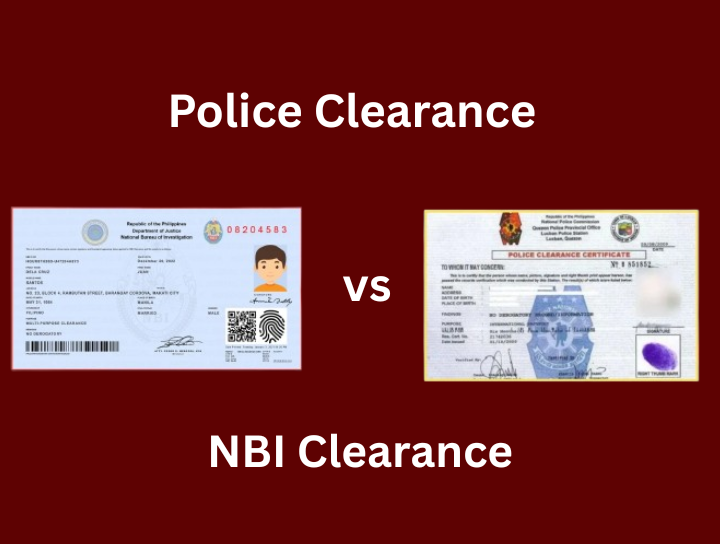
Police Clearance vs NBI Clearance: Key Differences Explained
If you are applying for a job, planning to travel, processing a visa, or updating your government records in the Philippines, you will often see two standard documents requested: Police Clearance and NBI Clearance. Many applicants ask the same question: Police Clearance vs NBI Clearance—what is the real difference, and which one should you prepare first? You will learn what NBI clearance is, what police clearance is, the purpose of each document, who is eligible to apply, and the most common police clearance requirements. By the end, you will know exactly which clearance fits your needs and how to move forward with confidence.
What Is Police Clearance?
Many first-time applicants ask, What is a police clearance? Police Clearance is an official document issued by the Philippine National Police (PNP) through local police stations and the national online system. It confirms that the applicant has a record check based on police databases.A police clearance is widely used for local transactions in the Philippines. It supports employment applications, barangay-level requirements, business permits, and other domestic verification needs. It also helps employers and agencies confirm identity with an organised screening process.
What Is NBI Clearance?
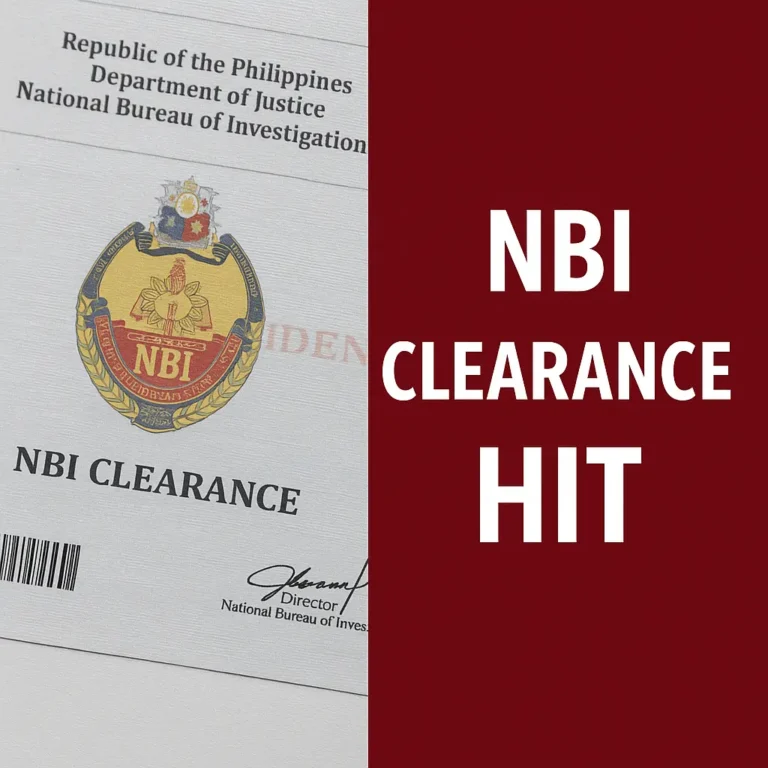
People also frequently ask, What is NBI clearance? NBI Clearance is a document issued by the National Bureau of Investigation (NBI). It verifies whether the applicant has a record or “hit” based on the national database used by the NBI.NBI Clearance is often requested for national-level and international transactions. It supports major applications such as overseas employment, immigration, visa processing, travel documentation, and other necessary legal and government requirements. It adds strong credibility because a national investigative agency database backs it.
Police Clearance vs NBI Clearance: The Core Difference
The easiest way to understand Police Clearance vs NBI Clearance is to look at the scope.
Police Clearance is connected to police records and systems used for identity and record checking, often for local or community-level needs.
NBI Clearance is connected to the NBI national database and is commonly used for larger, national, and international requirements.
Both documents are valuable. Both support your identity verification in a structured and official way. Many people are secure at different stages of their employment or documentation journey.
NBI Clearance Purpose
The NBI clearance purpose usually focuses on national-level background verification. Applicants commonly use it for:
- Employment requirements in private companies and government agencies
- Overseas job applications and work permits
- Visa and immigration processing
- Travel documentation support
- Business or professional license applications
- Legal and court-related documentation support
The NBI clearance purpose also supports peace of mind. It helps applicants present themselves with confidence during major applications that require verified documentation.
Police Clearance Purpose
The police clearance purpose often focuses on local verification, identity confirmation, and community-based transactions. Applicants commonly use it for:
- Local employment requirements
- Business permits and local government requests
- Scholarship requirements and school documentation
- General identity verification for local transactions
- Support documents for specific permits
The police clearance purpose is practical and widely accepted for many domestic needs, especially when the requesting office states explicitly that police clearance is sufficient.
Who Is Eligible to Get a Police Clearance and an NBI Clearance?
Many applicants ask: Who is eligible to get a police clearance and NBI clearance?
The good news is that eligibility is broad, and the process supports many types of applicants
Eligibility for Police Clearance
Applicants who are eligible for police clearance include:
- Filipino citizens who need local verification
- Working professionals applying for local jobs
- Students preparing requirements for school or scholarships
- Job seekers preparing employment documents
- Individuals completing local government requirements
- Police clearance supports a wide range of applicants because it is designed to help people complete local documentation smoothly.
Eligibility for NBI Clearance
Applicants who are eligible for NBI Clearance include:
- Filipino citizens applying for jobs and legal documents
- First-time job seekers and working professionals
- Applicants for overseas employment, visas, and migration needs
- Filipinos living abroad who need an NBI clearance for embassy or legal processes
- Individuals processing national-level documentation
- NBI clearance is accessible to many applicants, and it supports both local and international goals.
Police Clearance Requirements
Many readers of NBI Clearance Pro also want a clear checklist of police clearance requirements. The requirements can vary slightly depending on system updates and appointment rules, and the core idea stays consistent: you prepare your identity documents and complete registration.
Standard police clearance requirements include:
- A valid government-issued ID with precise details
- Personal information for registration, such as full name, birthdate, and address
- An online profile through the official police clearance system (when applicable)
- Appointment details and reference number (if the system uses scheduling)
- Payment readiness for the processing fee (depending on the selected channel)
- Biometrics and photo capture readiness on the appointment day
- These police clearance requirements help your application flow smoothly. Applicants who prepare complete details often enjoy a faster experience during the visit.
How Police Clearance and NBI Clearance Are Commonly Used
Understanding Police Clearance vs NBI Clearance becomes easier when you match each document to the situation.
Police Clearance is often used when the requirement is local, and the requesting office accepts police verification.
NBI Clearance is often used when the requirement is national or international, and the requesting office wants an NBI-issued record check.
Many employers, agencies, and government offices specify which clearance they prefer. When the requirement says “NBI Clearance,” it is a strong sign that you should prioritize NBI processing. When the requirement says “Police Clearance,” it is a strong sign that police clearance meets the purpose.
Which One Should You Get First?
You can choose based on your goal, and both options feel practical.
- If your transaction is local and time-sensitive, police clearance often feels like a strong first step because it supports many local requirements.
- If your transaction is connected to overseas work, immigration, or national-level documentation, NBI clearance often feels like the strongest priority.
- Some applicants secure both because it strengthens their document readiness. This approach also helps when different offices request different clearances.
How Each Clearance Supports Your Application Confidence
Police Clearance supports confidence by confirming that your identity and police records have been checked through an official system.
NBI Clearance supports confidence by confirming that your name has been checked against the NBI national database used for wider verification.
Both clearances help you present yourself as prepared, organised, and ready for the next step of your application.
Quick Comparison: Police Clearance vs NBI Clearance
Here is a simple way to remember the difference:
Police Clearance: a local and practical support document
NBI Clearance: a national-level and widely requested verification document
This comparison remains helpful across many scenarios, such as employment, travel, government processing, and professional documentation.
FAQs
Final Verdict
Police Clearance vs NBI Clearance becomes simple when you focus on scope and purpose. Police clearance supports local verification needs, and NBI clearance supports national and international verification needs. Both documents add value, build credibility, and help you complete essential applications with confidence.